Alambadi Cattle

Alambadi cattle is an indigenous, wonderful breed originated from Alambadi of Dharmapuri district in Tamil Nadu state of India. Now Alambadi is a quite rare breed. This cattle breed is mainly raised in the hilly regions of modern-day Tamil Nadu.

Modern cattle breeders are attempting to increase the milk production of this traditional Indian breed. Previously, the breed was usually kept as a drought animal. The farmers around India should extend a helping hand for the conservation of the Alambadi cattle.

The positive news is that ‘the State Government of Tamil Nadu has taken effective steps for the conservation of this breed’. Review specialties, characteristics and full breed profile below.

Specialties of Alambadi Cattle

Alambadi cattle are actually an unique Indian cattle breed known for their distinct characteristics. They are very beautiful and known for their hardiness.

Learning about the specialties of a breed is very important. That’s why, here we are going to describe about the specialties of Alambadi breed.

1. Historical Background

The historical background of Alambadi cattle is deeply intertwined with the cultural and agricultural tapestry of India. It is an ancient breed of domestic cattle originating in the Alambadi region of Tamil Nadu

These cattle have been part of India’s landscape for centuries. And they are renowned for their distinct characteristics, including glossy black or dark brown coats and graceful lyre-shaped horns.

They have been steadfast companions to farmers, assisting with plowing and transport, and have been central figures in religious ceremonies and festivals.

2. Adaptability and Hardiness

Alambadi cattle are well known for their remarkable adaptability and extreme hardiness. They are resilient cattle breed, and they can thrive in a diverse range of climatic conditions. Thats why they are a dependable choice for farmers across India.

Whether in the scorching heat of the South or the rugged terrain of the Western Ghats, Alambadi Cattle demonstrate their ability to endure and prosper.

They have robust immune systems which grant them a natural resistance to common cattle diseases, reducing the need for intensive veterinary care.

They are excellent as foragers, and they efficiently utilize diverse vegetation types. And they are well-suited to a variety of environments.

3. Milk Production

Alambadi cows are not renowned for high milk yields like many other common and popular dairy breeds. But they offer a unique and valuable contribution to milk production.

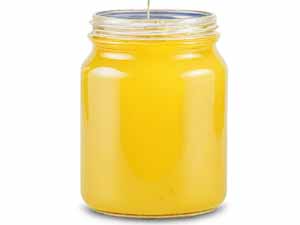
Their milk is characterized by it’s rich quality and high-fat content, and the milk is highly regarded for producing exceptional dairy products like ghee.

Their primary role in some regions may be as draught animals, but the milk they provide is an essential resource for nourishing their calves and supporting local communities.

Alambadi cow’s milk may not flow in abundance, but it’s nutritional richness and versatility make it an integral part of traditional Indian cuisine and culture, cherished for generations.

4. Cultural and Traditional Significance

Alambadi cattle hold a profound cultural and traditional significance in the southern regions where they were originated from. They are not just livestock; they are living symbols of India’s rich heritage.

These cattle play a very important role in religious rituals, agricultural festivals, and ceremonies, symbolizing prosperity and abundance.

The sight of decorated Alambadi cattle during these events invokes a sense of cultural continuity and reverence for the deep-rooted traditions they represent. Beyond their practical utility in farming, Alambadi cattle embody the spiritual and cultural connections that bind communities to their agricultural roots.

5. Conservation Efforts

Efforts to conserve Alambadi cattle are gaining momentum as recognition of their unique genetic heritage grows. Conservation initiatives are focused on preserving the genetic purity of this indigenous breed and raising awareness about it’s importance.

These efforts involve controlled breeding programs, community involvement, and the promotion of Alambadi cattle as a sustainable and economically viable livestock option.

Conservationists, government agencies, and NGOs are collaborating to safeguard this breed from the threat of crossbreeding and habitat loss, ensuring that future generations can continue to benefit from its adaptability, historical significance, and cultural value.

6. Challenges and Threats

Alambadi cattle face several significant challenges and threats. One of the foremost concerns is the risk of crossbreeding with other cattle breeds, which can dilute their unique genetic traits.

Habitat loss due to urbanization and deforestation also threatens their natural environments. Changing agricultural practices that reduce the demand for draught animals pose a challenge to their continued relevance.

However, despite these challenges, ongoing conservation efforts and increased awareness offer hope for the preservation of Alambadi breed as they remain an enduring symbol of India’s agricultural and cultural heritage.

Alambadi Cattle Characteristics

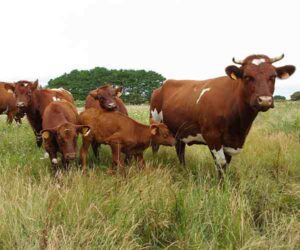
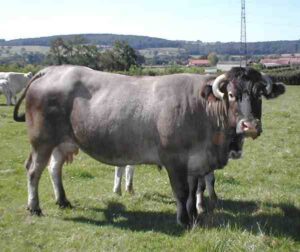
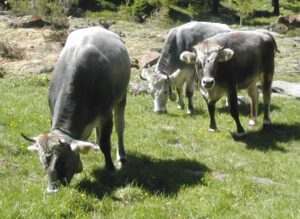
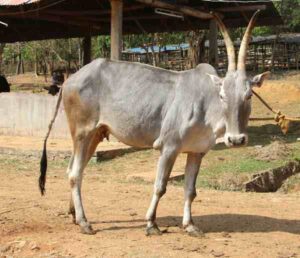
Alambadi cattle is medium in size and is grey, dark grey or black in color. Some other colors are also available in some areas. There are white markings in the forehead, limb and tail of this cattle breed. Their head is narrow and horns are backward curving.

The forehead and hump are prominent, with a thick dewlap also present. On average, an adult Alambadi bull weights about 317-362 kg and cow about 290 kg.

Alambadi cattle are very beautiful and lovey animals. Their distinctive characteristics, adaptability, and role in both agriculture and culture make them a valuable and unique breed.

As efforts to conserve indigenous cattle breeds gain momentum, it is essential to recognize and celebrate the remarkable qualities that set Alambadi cattle apart, ensuring their continued presence in India’s rural landscape.

Alambadi is actually an unique and indigenous breed of India. And they have long been admired for their distinctive characteristics. They are not only a testament to India’s rich agricultural heritage but also play a crucial role in the country’s rural economy.
Physical Characteristics

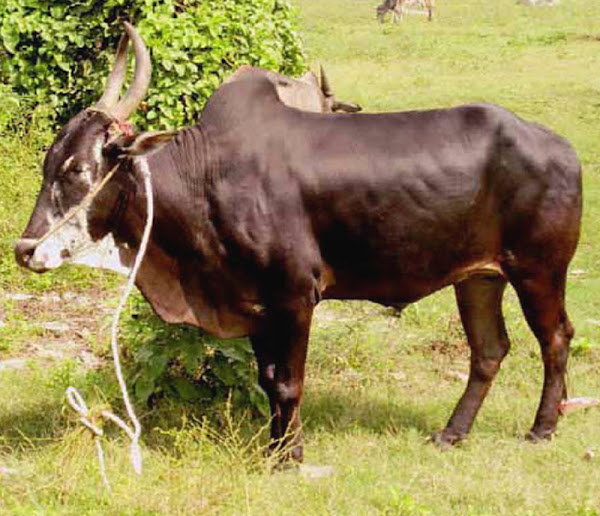
One of the most striking features of Alambadi cattle is their appearance. They are medium-sized animals with a compact and well-built body. They are predominantly black or dark brown, with a glossy coat that reflects their good health.

alambadi cattle, alambadi cow, alambadi cattle bull, alambadi cattle breed, alambadi cattle characteristics, alambadi cattle color, alambadi cattle photo, alambadi cattle facts, alambadi cattle info

They have long, lyre-shaped horns that sweep backward and slightly upward, giving them an elegant and majestic look. Their face is broad and expressive, with dark eyes and a gentle disposition. Their hooves are strong and well-suited for traversing rough terrains, which is crucial in their native hilly and forested regions.

Hardiness

Alambadi is a well known and hardy cattle breed and they are renowned for their adaptability and hardiness. These traits are essential in the diverse and often challenging environments of India.

These cattle are well-suited to withstand a wide range of climatic conditions. They can thrive in the scorching heat of South India as well as in the cold and hilly regions of the Western Ghats.

Their robust immune system and resistance to common cattle diseases make them a preferred choice for farmers who value low-maintenance livestock. These cattle are excellent foragers, capable of finding nourishment in diverse vegetation types, including forests, grasslands, and agricultural fields.

Milk Production

While Alambadi cows are not typically known for their high milk yield compared to specialized dairy breeds, they do contribute to the local milk supply. The milk they produce is notable for its quality and richness.

Alambadi cow’s milk is rich in fat content, making it ideal for producing high-quality ghee and other dairy products prized in Indian cuisine. Many farmers raise this Alambadi breed primarily for their calves, as the milk produced is often reserved for nourishing the young animals.

Uses

Alambadi cattle is almost exclusively a drought breed. In India, the breed is kept mainly for pulling cart and ploughing. They are not among the good milkers, and rarely used for dairy farming.

Housing

Proper housing is very important for raising Alambadi cattle. This is very essential to ensure their well-being. These cattle require shelter that offers protection from harsh weather conditions, be it scorching heat, heavy rain, or cold.

Adequate ventilation is important to prevent respiratory issues, and maintaining cleanliness in the shelter helps minimize health risks.

Try to provide them with ample shade and a comfortable, dry environment is essential to keep Alambadi cattle content and healthy.

A well-designed shelter not only safeguards their physical health but also contributes to their overall comfort and productivity, making it a crucial element in successful cattle farming.

Feeding

Feeding the animals with very good quality and nutritious food is the most important part of raising these cattle breed. Alambadi cattle’s nutrition plays a vital role in their health and productivity.

While they predominantly graze on natural pastures, supplementing their diet with balanced feed can be essential, especially for specific purposes like milk or meat production.

Always try to provide them with enough clean and fresh water. Try to understand the nutritional needs of Alambadi cattle and provide them with high-quality forage and supplementary feeds.

Ensure they receive the necessary nutrients for good growth, milk production, and overall well-being. Careful attention to their diet is a key component of successful Alambadi cattle management.

Breeding

Breeding desi cattle is very easy and simple. Alambadi cattle breeding is a vital aspect of preserving this unique indigenous breed. Careful selection of breeding pairs is essential to maintain their genetic purity and promote desirable traits.

Breeding age varies but typically starts at 15-18 months for heifers and 18 months for bulls. Keep detailed breeding records and it will help to monitor the reproductive health of the herd and track lineage information.

Caring

Caring for Alambadi cattle is relatively easy and simple. They are extremely strong and hardy and generally require less caring and other management. Try to provide them with proper shelter, nutrition, and veterinary care to fostering a positive and respectful relationship.

Ensure access to clean and fresh drinking water, nutrient-rich pasture, and supplementary feed when needed. And doing this is very important for their health and productivity.

Regular veterinary check-ups, vaccinations, and parasite control help maintain their well-being. Handling Alambadi cattle gently and patiently, along with proper training, fosters trust and ease of management.

Special Notes

Alambadi cattle is a very hardy animal, and is very useful in ploughing. And can withstand all climatic conditions. Alambadi cows give good amount of milk.

The farmers can improve their economic condition by raising this cattle breed. Review full breed profile of this cattle breed in the chart below.

Breed NameAlambadi
Other NameNone
Breed PurposeMainly kept for ploughing and pulling cart. Rarely kept for dairy.
Special NotesVery hardy
Breed SizeMedium
Weight290-362 kg
Climate ToleranceAll Climates
Skin ColorGrey, dark grey or black
HornedYes
Milk YieldPoor
RarityRare
VarietiesMainly Grey, Dark Grey or Black
Country of OriginIndia

1 thought on “Alambadi Cattle”

  1. Dear Roysfarm,

    I’m Sarah Deisz with Clark Construction. We’re currently evaluating potential partners for an upcoming opportunity and would like to confirm:

    Your availability for new projects in Q3 2025.

    Your interest in receiving project details

    Scope information will be shared upon your confirmation of availability and interest.

    Thanks.

    Sarah Deisz
    Project Executive
    415-233-7957

Leave a Comment

Your email address will not be published. Required fields are marked *

Scroll to Top