
Alambadi cattle is an indigenous, wonderful breed originated from Alambadi of Dharmapuri district in Tamil Nadu state of India. Now Alambadi is a quite rare breed. This cattle breed is mainly raised in the hilly regions of modern-day Tamil Nadu.
Modern cattle breeders are attempting to increase the milk production of this traditional Indian breed. Previously, the breed was usually kept as a drought animal. The farmers around India should extend a helping hand for the conservation of the Alambadi cattle.
The positive news is that ‘the State Government of Tamil Nadu has taken effective steps for the conservation of this breed’. Review specialties, characteristics and full breed profile below.
Alambadi Cattle Characteristics
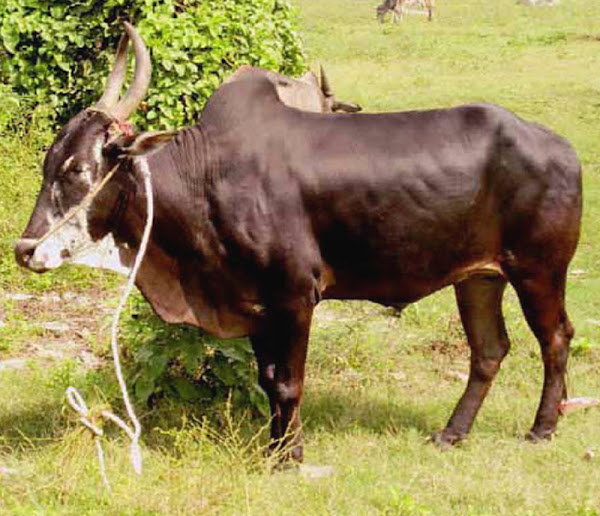
Alambadi cattle is medium in size and is grey, dark grey or black in color. Some other colors are also available in some areas. There are white markings in the forehead, limb and tail of this cattle breed. Their head is narrow and horns are backward curving. The forehead and hump are prominent, with a thick dewlap also present. On average, an adult Alambadi bull weights about 317-362 kg and cow about 290 kg.
Alambadi cattle are very beautiful and lovey animals. Their distinctive characteristics, adaptability, and role in both agriculture and culture make them a valuable and unique breed. As efforts to conserve indigenous cattle breeds gain momentum, it is essential to recognize and celebrate the remarkable qualities that set Alambadi cattle apart, ensuring their continued presence in India’s rural landscape.
Alambadi is actually an unique and indigenous breed of India. And they have long been admired for their distinctive characteristics. They are not only a testament to India’s rich agricultural heritage but also play a crucial role in the country’s rural economy.
Uses
Alambadi cattle is almost exclusively a drought breed. In India, the breed is kept mainly for pulling cart and ploughing. They are not among the good milkers, and rarely used for dairy farming.
Housing
Proper housing is very important for raising Alambadi cattle. This is very essential to ensure their well-being. These cattle require shelter that offers protection from harsh weather conditions, be it scorching heat, heavy rain, or cold.
Adequate ventilation is important to prevent respiratory issues, and maintaining cleanliness in the shelter helps minimize health risks. Try to provide them with ample shade and a comfortable, dry environment is essential to keep Alambadi cattle content and healthy.
A well-designed shelter not only safeguards their physical health but also contributes to their overall comfort and productivity, making it a crucial element in successful cattle farming.
Feeding
Feeding the animals with very good quality and nutritious food is the most important part of raising these cattle breed. Alambadi cattle’s nutrition plays a vital role in their health and productivity. While they predominantly graze on natural pastures, supplementing their diet with balanced feed can be essential, especially for specific purposes like milk or meat production.
Always try to provide them with enough clean and fresh water. Try to understand the nutritional needs of Alambadi cattle and provide them with high-quality forage and supplementary feeds. Ensure they receive the necessary nutrients for good growth, milk production, and overall well-being. Careful attention to their diet is a key component of successful Alambadi cattle management.
Breeding
Breeding desi cattle is very easy and simple. Alambadi cattle breeding is a vital aspect of preserving this unique indigenous breed. Careful selection of breeding pairs is essential to maintain their genetic purity and promote desirable traits. Breeding age varies but typically starts at 15-18 months for heifers and 18 months for bulls. Keep detailed breeding records and it will help to monitor the reproductive health of the herd and track lineage information.
Caring
Caring for Alambadi cattle is relatively easy and simple. They are extremely strong and hardy and generally require less caring and other management. Try to provide them with proper shelter, nutrition, and veterinary care and they will be fine.
Always ensure access to adequate clean and fresh drinking water as per their demand. Also ensure nutrient-rich pasture, and supplementary feed when needed. And doing this is very important for their health and productivity. Try to perform regular veterinary check-ups, vaccinations, and parasite control to help to maintain their well-being.
Special Notes
Alambadi cattle is a very hardy animal, and is very useful in ploughing. And can withstand all climatic conditions. Alambadi cows give good amount of milk. The farmers can improve their economic condition by raising this cattle breed. Review full breed profile of this cattle breed in the chart below.
| Breed Name | Alambadi |
| Other Name | None |
| Breed Purpose | Mainly kept for ploughing and pulling cart. Rarely kept for dairy. |
| Special Notes | Very hardy |
| Breed Size | Medium |
| Weight | 290-362 kg |
| Climate Tolerance | All Climates |
| Skin Color | Grey, dark grey or black |
| Horned | Yes |
| Milk Yield | Poor |
| Rarity | Rare |
| Varieties | Mainly Grey, Dark Grey or Black |
| Country of Origin | India |
Indians are very lucky. All the local breeds available there are very hardy and all of them produce extremely good quality a2 milk. This breed is a very good one.
Yes, totally agree with you. All the Indian cattle breeds produce very high quality milk. Although milk is relatively less, but doesn’t matter as quality is very important.
I know it is an Indian breed. Is it possible to export this breed to Morocco?
Not sure. May be possible if you can fulfill all the legal formalities. You can contact with the right government body. Thank you!