
How To Add New Chickens To Existing Flock?

Whether you are an existing keeper of many chickens or are just starting a chicken flock, you must need to know how to add new chickens to existing flock. Learning about introducing new chickens to existing flock will help you to avoid introducing disease and parasites into the flock.

Introducing new chickens to your existing flock suddenly is not a good idea, and you can't expect everything go peacefully after doing so. It's the nature of chickens to drive off an unknown chicken from the flock. It's the general behavior of chickens and actually normal for an established flock to aggressively go after the interloper.

So you have to introduce the new chickens to an existing flock properly. And it is very important to know about how to add new chickens to existing flock. Not all the chickens are of same behavior and nature. Each bird will have a different response to the newcomer. Some birds won't tolerate an intruder, but some are actually easy going.

Some birds can become very aggressive towards the new birds. And the aggression can escalate to bloodshed if the new chickens are introduced into a confined area where there is no space to escape. A chicken might pin another one down and viciously peak at her head.

How to Add New Chickens to Existing Flock

Chickens are very social birds and they form strong social groups and establish a pecking order within a few days of being introduced to each other. And the chickens actually love to stay in a group. Generally an established chicken flock will not welcome other chickens outside their group and can be surprisingly vicious to the newcomers.

And introducing new chickens to an established flock will need patience and often takes a couple of weeks to settle. Methods for introducing new chickens to an existing flock can vary according to your individual set up, so there is no single solution for maintaining a happy flock.

However, here we are describing more about how to add new chickens to existing flock.

Keep the New Chickens Separate For Several Weeks

You should keep the new chickens in a separate coop for several weeks, and watch them carefully for any signs of sickness. The new birds should not share the same ground or air as the old chickens.

You should wash your hands and clean the bottom of your boots after interacting with the new chickens. Doing so will help to avoid inadvertently transmitting illnesses.

Size of the New Chickens

Chickens can be real bullies (especially when they have smaller and weaker birds to pick on). So the new birds should be similar in size and age, to help minimize bullying and fighting. On the other hand, adding a large number of fit, young birds, can cause stress to a smaller number of more mature chickens.

Ensure Adequate Room for the New Chickens

Before introducing new chickens, ensure you have adequate room in the coop for accommodating the new birds. This will help to reduce the chance of bad habits that come from over crowding. Cannibalism is one of the worst results of over crowding. Also ensure some hiding space if the existing birds attack the new chickens.
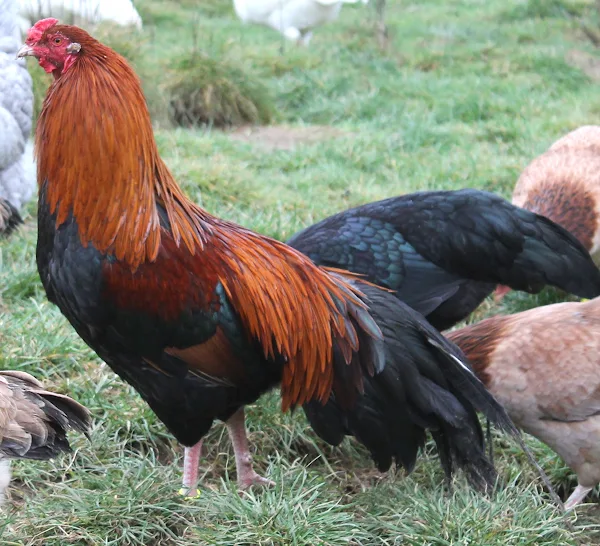
how to add new chickens to existing flock

Keeping in the Same Coop

You can keep the new chickens in the same coop, but in a separate pen (separated with net or fence). Doing this will allow the older chickens to satisfy some of their curiosity without instant squabbling.

Keep the Old Chickens Busy by Providing Distractions

You can hang a distraction in the pen such as something shiny or nail a few ears of field corn in accessible places for keeping the old chickens busy while the new chickens explore. Attention of the old chickens will be more focused on scratching and pecking at those distractions rather than at the new chickens on the flock.

Move the Chickens in a New Location

If possible, move both your new and old chickens to an entirely new and different location. This throws your older girls off balance, as it is not their home, and so they are more likely to be less defensive, and harsh towards the newcomers.

After few days or week, things will start to sort themselves out, and all your chickens will accept the new additions. And finally peace will be restored within your flock once again.

Add New Birds at Night

You can keep the new chickens to the existing flock during the night, so that the flocks can wake up together. Generally this will probably reduce the squabbling and the pecking of the new chickens.

Provide Plenty of Food and Water

You must have to ensure there are plenty of food and watering areas so that the old chickens can't guard the new chickens for accessing food and water. You should feed and water the new chickens properly before adding them to the existing flock.

Remove the Injured Chickens

You should remove the injured chickens from the flock. Remove the injured bird at the first sign of bright blood and treat the bird with an 'anti-peck ointment' or pine tar to discourage the pecking from going further. Chickens will naturally peck at fresh blood and can kill an injured chicken very quickly.

Hope you have learned a lot about how to add new chickens to existing flock. By following these methods your birds will accept the new additions after a week or so. And finally peace and happiness will be restored again within your flock once again. Thank you!

Comments

Popular Posts

Murray Grey Cattle

The Murray Grey cattle are a breed of beef cattle from Australia. It was developed in the upper Murray River valley on the New South Wales. The breed was developed in 1905 from an initial chance mating of a black Aberdeen Angus bull and a roan Shorthorn cow during the Federation drought. From these matings the resulting thirteen dun-grey calves were kept as curiosities. And then Peter and Ena Sutherland bred them on the Thologolong property along the Murray River in New South Wales. Murray Grey cattle grew faster and were good converters of feed and produced quality carcases. These are the reasons this animals become very popular after their development. And local farmers became interested soon in these animals and began breeding them. The first large scale commercial farms were established in the 1940s. Today the breed is available in many countries. Both live Murray Grey cattle and embryos have been exported to many countries such as Canada, South America, New Ze...

Sorting Cattle

Sorting cattle is important if you have a large number of animals. For better management you will need to separate the animals into different groups depending on their age, size, gender or condition score. If some cattle of your herd need to be examined by a veterinarian or confined due to injury or illness, then separation may also need to be done. Sorting is also needed for separating the calves that need to be weaned from their mothers. And separating the bulls is also necessary after they have done their duty with breeding cows. Sorting Cattle Sorting cattle is not actually a difficult task. It can be done easily if you understand stockmanship principles that take advantage of bovine psychology and behavior. However, here we are describing more about the ways of sorting cattle. Sorting From a Squeeze Chute In this system you can move your cattle through a working corral into a chute system into the squeeze. In this system you can check and process animals f...

Andalusian Black Cattle Farming

Andalusian Black cattle farming is not too popular, even in it's native area. It is a relatively rare breed which is valued for meat production. But today, the breed is listed as 'endangered', and total number of the breed is very less. The Andalusian Black cattle is a taurine cattle breed, and it was originated in west Andalusia, Spain. It is also known by some other names such as Negra de las Campiñas, Negra Campiñesa and Spanish: Negra Andaluza. The Andalusian Black cattle is actually a beef cattle breed which is raised primarily for meat production purpose. The breed is found in two main areas of west Andalusia (from Cordova to the foothills of the Sierra Morena), and in the provinces of Seville, Cádiz and Huelva. Today, total population of the Andalusian Black cattle breed is very less. And there were about 800 purebred cattle in the year of 2007. Total number of this breed decreased mainly for crossbreeding with other local cattle breeds. Other reason...

Belted Galloway Cattle Farming

Belted Galloway cattle farming is popular, especially in it's native area. It is a beef cattle breed and raised mainly for meat production purpose. The breed is also known by some other names such as Beltie, Oreo Cow and Panda Cow. The Belted Galloway cattle breed was originated from Galloway in the west side of Southern Scotland. It is a heritage breed, and is well adapted to living on the poor upland pastures and wildswept moorlands of the region. Exact origins of the breed are unclear. But it is often surmised that the white belt of the breed may be a result of cross breeding with the Dutch Lakenvelder belted cattle. And the breed is named so mainly because of the belt. An association for the breed named the Belted Galloway Association was formed in 1921 in Scotland. And the name of the association was changed to Belted Galloway Society in the year of 1951. The association keeps and records pedigrees for Belted Galloways and oversees the registration of White and Re...

Cleaning A Cow

Cleaning a cow in the proper way can keep the animal look and feel fresh. Cleaning also help to prevent external parasites. You may also need to clean your cow to show it off at your local county fair or other occasions. And you need to clean your cows more often especially if you have dairy cows. You can integrate a spraying system for cleaning a cow once a day or so. Along with cleaning the body, you should also provide a footbath for better health of the cow's hooves. However, here we are describing more about the process of cleaning a cow. Sprinkler System Add Sprinkler in a Pre-milking Wash Pen You can construct a pre-milking wash pen with sprinklers for cleaning multiple cows. In this system, install sprinklers all along the pen you hold the cows in before milking. Using concrete for the floor will be good. It will help to keep the floor dry quickly and you will not have a constantly muddy area. You should spray sprinklers both up and down to wash the cows th...

Agerolese Cattle Farming

Agerolese cattle farming is not common, even in it's native area. It is a dairy cattle breed which is raised mainly for milk production purpose in it's native area. It is a pretty rare breed and not available outside it's native area. The Agerolese cattle is actually from the area of Agerola, in Campania in southern Italy. It was developed from cross-breeding of indigenous Podolica cattle with Bruna Italiana, Italian Holstein-Friesian and Jersey cattle. The breed is particularly associated with the Sorrento Peninsula and Monti Lattari. The Agerolese cattle is one of the 16 minor Italian cattle breeds of limited diffusion recognized and protected by the Ministero delle Politiche Agricole Alimentari e Forestali, the Italian ministry of agriculture. There were a total of 200 animals available according to a census completed on 1 January 2002. And the conservation status of the Agerolese cattle breed was reported by the FAO as 'endangered-maintained' in 200...

Ankole-Watusi Cattle Farming

Ankole-Watusi cattle farming is pretty popular, especially in it's native area. It is a multi-purpose breed of domestic cattle which is raised and valued for show, draught, meat and milk production purpose. The Ankole-Watusi cattle is a landrace breed, a type of Sanga cattle and originally native to East Africa. It is also known as Ankole Longhorn, and also sometimes known simply as Ankole or Watusi. Ankole-Watusi cattle is actually an ancient breed, and ancient rock paintings and depictions of these animals have been observed in the Sahara region and in the Egyptian arts and pyramid walls. The Sanga breed has spread to the Sudan, Uganda, Kenya and some other parts of Eastern Africa, becoming the base stock of the indigenous African cattle populations. It has most of the usual Zebu characteristics such as the pendulous dewlap and sheath, hump of variable size and the upturned horns. The Ankole-Watusi cattle have played a very important role in the lives of various ...