
Rabbit Farming
Commercial rabbit farming (also known as cuniculture) is not a new business idea. People are raising rabbits as pets and for food from a long time ago. Starting this business is very easy, even the beginners can start this business easily. Rabbit farming is also called 'cuniculture'. And cuniculture is an agricultural practice of raising and breeding domestic rabbits as livestock for their meat, fur or wool.
Actually we have to find out different ways of food production, to fulfill the food demand for growing population. The rabbit known as "Micro-Livestock" can be a great source of food production. There is a great opportunity of rabbit farming, and commercial production can be a great source of income and employment.
Rabbits need small place for living and less food for surviving. Rabbit meat contains high ratio of protein, energy, calcium and vitamins than any other types of animal meat. The amount of cholesterol, fat and sodium is also less than other meat.
Rabbit meat is very testy, nutritious and easily digestible for all aged people. Rabbits grow very fast and the female rabbit produce 2 to 8 kids every time. They can consume very low quality food and turn the food into high quality meat, skin or fiber.
Raising rabbit can be a great income source to the unemployed educated people and landless farmers. So commercial rabbit farming business can be a great way to meetup the food or protein demand and a great source of employment.
What is rabbit farming?
Rabbit farming means raising rabbits for the purpose of meat, fur production or for just raising as pets. This practice includes breeding, caring for, and managing rabbits, most cases in a controlled environment.
Is rabbit farming profitable?
Yes, sure! Commercial rabbit production can be a profitable business mainly due to their fast reproduction rate and relatively low feeding costs. Rabbit production is more profitable especially in markets where rabbit meat has high demand. However, success and good profitability in this business depends on proper management and good marketing facilities.
How to Start Rabbit Farming Business?
Rabbits are small sized animal. So it's very easy to start a commercial rabbit farming business. Make a proper business plan before starting. Here we are describing the most important steps for starting and operating a commercial rabbit farming business.

Step 1: Learn Practically
First of all, try to learn practically about this business. You can learn from existing farmers, agricultural institutions or through online courses. We recommend visiting numerous farms practically to gather practical experience.
Step 2: Complete a Rabbit Farming Training
Rabbit farming has been gaining popularity in recent years. And like any other farming venture, it requires proper training and knowledge to succeed. You can complete training from the methods mentioned here:
- Online resources
- Rabbit farming workshops and seminars
- Mentorship
- Agricultural extension officers and
- From agricultural institutions
Step 3: Make a Business Plan
Make a good and effective business plan, and word according to the plan. A good and effective business plan helps to run the farm perfectly, and you will be able to make good profits if you follow the plan strictly. You can ask for help from an expert for making a viable business plan.

Step 4: Select a Good Location for Your Rabbit Farm
You have to select a very good location for starting your commercial rabbit production business. Try to select a calm area which is far from the residential area. Ensure good marketing and transportation system is available near your selected area.
Step 5: Determine the Products You Want to Produce
In commercial farms, rabbits are mainly raised for their meat. Rabbit meat has gained popularity in recent years due to its nutritional value and taste. Rabbit meat is a lean protein source that is low in fat and cholesterol, making it an excellent choice for health-conscious consumers.
Step 6: Choose the Right Rabbit Breeds
There are many rabbit breeds available throughout the world to choose. But all these breeds are not good for commercial production. Among those breeds Dark Gray (internal), Fox, Dutch, New Zealand White, New Zealand Black, New Zealand Red, Belgium White and Chinchilla etc. are highly productive and popular breeds. You can choose proper breed for your production, depending on the availability of breeds in your area.
Step 7: Choose Right Production Method
You can start raising rabbits in both deep litter and cage farming methods. Here we are describing more about this two types of raising methods.
Deep Litter Method: This method is suitable for you, if you want to raise a few number of rabbits. Concrete floor is more suitable for deep litter system. Make 4 to 5 inches depth litter husk, hay, straw or wood shavings. In this method, you can raise a maximum of 30 rabbits in a house. Keep the male rabbits in a separate room from the female. In deep litter system, risks of diseases is high. And sometimes, it may seem very difficult to manage the rabbit in this system.

Cage Method: For commercial rabbit farming business, cage method is the best. In this system the rabbits are kept in a cage, which are made with wire or iron plate. Cage system is very useful for raising a maximum number of rabbits. Keep sufficient space and necessary facilities, inside every cage. Keep the male and female rabbits separated from each other. Keep them together in a separate cage during breeding period.
Colony Method: The colony method involves housing rabbits in a group. This method is sometimes referred to as the "free-range" method. In this method, the rabbits are allowed to roam freely in a designated area, usually a large fenced-in area. This method is preferred by some farmers because it allows for natural rabbit behavior and socialization. However, the colony method can be more difficult to manage, as it requires more space and can be harder to monitor individual rabbits for health issues.
Pasture Method: The pasture method is similar to the colony method, but the rabbits are allowed to graze on grass and other vegetation. This method is preferred by some farmers because it provides a natural diet for the rabbits and reduces the need for expensive feed. However, the pasture method requires a large amount of land and can be difficult to manage.
Indoor Method: The indoor method involves housing rabbits in a building, usually a barn or shed. This method is preferred by some farmers because it allows for easier monitoring and control of the rabbits' environment. However, the indoor method requires more resources for heating and ventilation, and can be more labor-intensive when it comes to cleaning and maintenance.
Tractor Method: The tractor method involves housing rabbits in a mobile cage that can be moved around the pasture. This method is preferred by some farmers because it allows for the rabbits to graze on fresh grass while also providing protection from predators. The tractor method is also more sustainable, as it allows for the rabbits to fertilize the soil while they graze. However, the tractor method can be more expensive, as it requires a specially designed cage and tractor.
Step 8: Ensure Good Housing
Good rabbit housing is a critical aspect of commercial rabbit farming business. Proper housing ensures that the rabbits are comfortable, healthy, and productive. One of the most important factors in rabbit housing is adequate space. In commercial production the rabbits are kept in wire cages, with each cage providing a certain amount of space for each animal. The amount of space required per rabbit varies depending on the breed and size of the rabbit. But they should have enough space to move around, stretch out, and stand up without touching the top of the cage.
Ensure good ventilation and also ensure their comfort and safety. They require a clean, dry environment, so cages should be designed with a solid floor or a tray to catch droppings. Add bedding materials such as wood shavings or straw to provide a soft, comfortable surface for the rabbits to rest on. Rabbits require a certain amount of light to regulate their circadian rhythms and ensure healthy growth and development. So, try to ensure availability of adequate light inside their house.
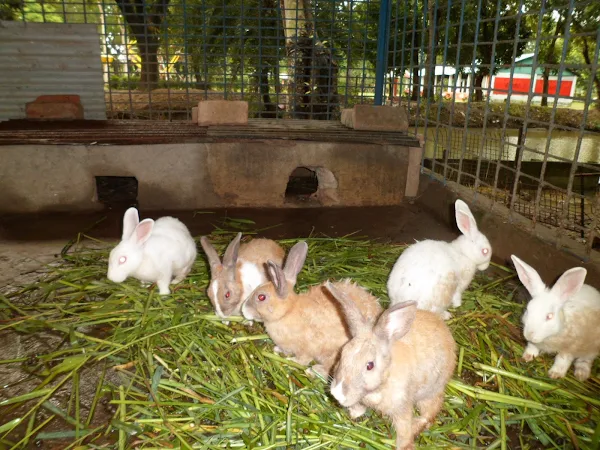
Step 9: Provide Good Quality Feeds
Feed consuming rate and nutrient requirements of rabbits varies, depending on their age and breed type. For proper nutrition of adult rabbits, their food should contain 17 to 18 percent crude protein, 14 percent fiber, 7 percent minerals and 2700 kilo calorie/kg of metabolic energy. Green leafy vegetables, seasonal vegetable, spinach, carrots, muller, cucumber, green grass and vegetable wastes are common food of rabbits. For commercial purpose, you can serve them poultry feed. In accordance with providing nutritious feed, supply them sufficient amount of clean and fresh water according to their demand.
Step 10: Proper Breeding Management
Usually rabbits become mature and suitable for breeding purpose within their 5 to 6 months of age. But don't use the male rabbits for breeding purpose until they reach their first birthday. Doing this will ensure, quality young rabbits for commercial production. Always try to use healthy rabbits with proper body weight for breeding. Never bred the females, if they are ill. Take special care to the breeding male and pregnant female rabbits, and provide them nutritious feed. The gestation period of rabbits is about 28 to 31 days. And each time a doe can give birth of 2 to 8 kids.
Step 11: Ensure Good Caring
Taking good care of the animals is very important for successful rabbit production business. Good caring not only keep the rabbits happy, but also help them to grow better. Monitor their health regularly, and always try to keep good contact with a vet in your area.
Step 12: Learn About Diseases And Their Prevention
Rabbit diseases can be a great challenge for commercial rabbit production. And it can impact the health and productivity of the animals. Prevention is key in maintaining the health of rabbits and preventing the spread of disease. Some common diseases that affect rabbits include:
- Pasteurellosis
- Rabbit Hemorrhagic Disease (RHD)
- Myxomatosis
- Encephalitozoonosis
- E. cuniculi infection
Prevention measures for rabbit diseases include regular veterinary check-ups, proper nutrition, good hygiene, vaccinations and quarantine new rabbits.
Step 13: Vaccinate Your Rabbits Timely
There are two main vaccines available for rabbits: Myxomatosis and Rabbit Haemorrhagic Disease (RHD). Both diseases can be fatal and are highly contagious, making vaccination essential for rabbits that live in areas where these diseases are prevalent.
Step 14: Marketing
In some areas, marketing rabbit products is not so easy. So it will be better, if you determine your marketing plan before starting. You can try your local markets or nearest town.
These are the common steps and ways for starting and operating a successful rabbit farm. Hope this guide has helped you! Good luck and may God bless you!
 Reviewed by Tanmoy Roy
on
January 06, 2012
Rating:
Reviewed by Tanmoy Roy
on
January 06, 2012
Rating:
Post a Comment