
Will Chickens Lay Eggs Without Nesting Box?

Will chickens lay eggs without nesting box? It is a very common question beginning chicken keepers ask a lot. Actually you need to have a clear idea about this before you start to keep chickens.

Chickens have been producing delicious and nutritious eggs for us since a long time ago. On an average, a healthy laying hen can produce about 200 to 300 eggs every year.

Modern hens are highly productive and they can produce well throughout the year round. And these hens are very good for commercial chicken arming business.

Will Chickens Lay Eggs Without Nesting Box?

It is a common question to the people who raise some chickens on their own backyard, will chickens lay eggs without nesting box? Egg laying of chickens depend on some factors which we have described here.

Laying Eggs

Hens are biologically designed for laying eggs. All healthy hens lay eggs as long as they can find enough food.

Even the hen who escape from the coop and receive no human care or who are left loose to fend for themselves can also lay eggs if they find enough food.

For producing eggs, a healthy hen doesn't need a nesting box, coop, a rooster or anything else.

Necessity of A Chicken Coop

Chicken coops are not necessary to the hens for laying eggs. But it doesn't mean your hens don't require any coop. Coop is necessary for providing required shelter for your hens.
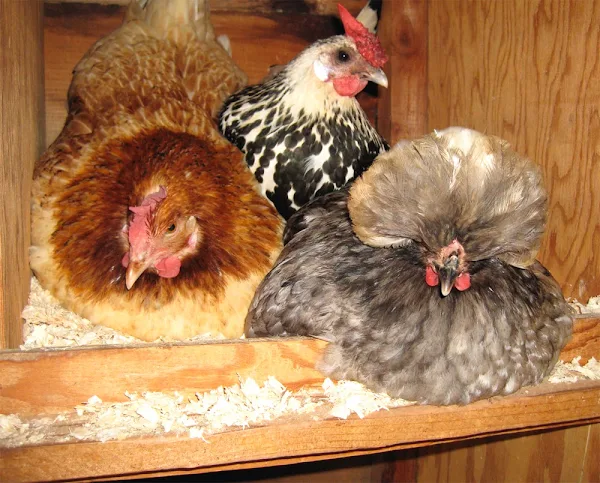
chicken laying eggs, egg laying nesting boxes, chickens with nesting boxes, egg laying chickens, will chickens lay eggs without nesting box

Chicken coop is also necessary to keep all your chickens together in one place so that you can provide them sufficient amount of fresh food and water.

Hens become healthier if they get sufficient amount of food, water, shelter and care. And healthy hens lay more eggs than an unhealthy one. So, your chickens need a coop for good health and better production.

Why Hens Need a Nesting Box?

A nesting box help to provide your hens a safe, individual location for laying eggs. It also give privacy to your shy hens. Nest boxes also help to keep your hens from trying to lay eggs in secluded corners of the chicken coop or outdoors.

Providing some nesting boxes to your hens, help to prevent hens from trampling or otherwise damaging their eggs. Laying hens often tramp or damage their eggs if the eggs are not in a well cushioned and safe place.

So, nest boxes are necessary for the chickens but not a must for them for laying eggs.

Why Hens Don't Lay Eggs?

There are various reasons of why a hen doesn't lay eggs. A hen might not lay eggs if she is gone broody, not getting enough nutritious food, too sick or too old to lay.

Broody hens don't lay eggs. They sit on their existing eggs and wait for those eggs to hatch. There is an another possibility of why you are not finding the eggs but your hens are laying.

Especially this happen if you raise free range chickens. Hens often make a nest in your yard and hide their eggs. Sometimes they can also eat their eggs.

I think you have got a clear idea about will chickens lay eggs without nesting box or not. Hens can lay eggs in all condition if they find enough fresh food and water.

They only need a nesting box for laying eggs on a calm and secure place. You can collect eggs easily if you keep some nesting boxes inside your chicken coop.

Hope this guide has helped you. Consider sharing it with your friends and family members if you find it helpful. Good luck and may God bless you!

Comments

Popular Posts

Murray Grey Cattle

The Murray Grey cattle are a breed of beef cattle from Australia. It was developed in the upper Murray River valley on the New South Wales. The breed was developed in 1905 from an initial chance mating of a black Aberdeen Angus bull and a roan Shorthorn cow during the Federation drought. From these matings the resulting thirteen dun-grey calves were kept as curiosities. And then Peter and Ena Sutherland bred them on the Thologolong property along the Murray River in New South Wales. Murray Grey cattle grew faster and were good converters of feed and produced quality carcases. These are the reasons this animals become very popular after their development. And local farmers became interested soon in these animals and began breeding them. The first large scale commercial farms were established in the 1940s. Today the breed is available in many countries. Both live Murray Grey cattle and embryos have been exported to many countries such as Canada, South America, New Ze...

Sorting Cattle

Sorting cattle is important if you have a large number of animals. For better management you will need to separate the animals into different groups depending on their age, size, gender or condition score. If some cattle of your herd need to be examined by a veterinarian or confined due to injury or illness, then separation may also need to be done. Sorting is also needed for separating the calves that need to be weaned from their mothers. And separating the bulls is also necessary after they have done their duty with breeding cows. Sorting Cattle Sorting cattle is not actually a difficult task. It can be done easily if you understand stockmanship principles that take advantage of bovine psychology and behavior. However, here we are describing more about the ways of sorting cattle. Sorting From a Squeeze Chute In this system you can move your cattle through a working corral into a chute system into the squeeze. In this system you can check and process animals f...

Andalusian Black Cattle Farming

Andalusian Black cattle farming is not too popular, even in it's native area. It is a relatively rare breed which is valued for meat production. But today, the breed is listed as 'endangered', and total number of the breed is very less. The Andalusian Black cattle is a taurine cattle breed, and it was originated in west Andalusia, Spain. It is also known by some other names such as Negra de las Campiñas, Negra Campiñesa and Spanish: Negra Andaluza. The Andalusian Black cattle is actually a beef cattle breed which is raised primarily for meat production purpose. The breed is found in two main areas of west Andalusia (from Cordova to the foothills of the Sierra Morena), and in the provinces of Seville, Cádiz and Huelva. Today, total population of the Andalusian Black cattle breed is very less. And there were about 800 purebred cattle in the year of 2007. Total number of this breed decreased mainly for crossbreeding with other local cattle breeds. Other reason...

Belted Galloway Cattle Farming

Belted Galloway cattle farming is popular, especially in it's native area. It is a beef cattle breed and raised mainly for meat production purpose. The breed is also known by some other names such as Beltie, Oreo Cow and Panda Cow. The Belted Galloway cattle breed was originated from Galloway in the west side of Southern Scotland. It is a heritage breed, and is well adapted to living on the poor upland pastures and wildswept moorlands of the region. Exact origins of the breed are unclear. But it is often surmised that the white belt of the breed may be a result of cross breeding with the Dutch Lakenvelder belted cattle. And the breed is named so mainly because of the belt. An association for the breed named the Belted Galloway Association was formed in 1921 in Scotland. And the name of the association was changed to Belted Galloway Society in the year of 1951. The association keeps and records pedigrees for Belted Galloways and oversees the registration of White and Re...

Cleaning A Cow

Cleaning a cow in the proper way can keep the animal look and feel fresh. Cleaning also help to prevent external parasites. You may also need to clean your cow to show it off at your local county fair or other occasions. And you need to clean your cows more often especially if you have dairy cows. You can integrate a spraying system for cleaning a cow once a day or so. Along with cleaning the body, you should also provide a footbath for better health of the cow's hooves. However, here we are describing more about the process of cleaning a cow. Sprinkler System Add Sprinkler in a Pre-milking Wash Pen You can construct a pre-milking wash pen with sprinklers for cleaning multiple cows. In this system, install sprinklers all along the pen you hold the cows in before milking. Using concrete for the floor will be good. It will help to keep the floor dry quickly and you will not have a constantly muddy area. You should spray sprinklers both up and down to wash the cows th...

Agerolese Cattle Farming

Agerolese cattle farming is not common, even in it's native area. It is a dairy cattle breed which is raised mainly for milk production purpose in it's native area. It is a pretty rare breed and not available outside it's native area. The Agerolese cattle is actually from the area of Agerola, in Campania in southern Italy. It was developed from cross-breeding of indigenous Podolica cattle with Bruna Italiana, Italian Holstein-Friesian and Jersey cattle. The breed is particularly associated with the Sorrento Peninsula and Monti Lattari. The Agerolese cattle is one of the 16 minor Italian cattle breeds of limited diffusion recognized and protected by the Ministero delle Politiche Agricole Alimentari e Forestali, the Italian ministry of agriculture. There were a total of 200 animals available according to a census completed on 1 January 2002. And the conservation status of the Agerolese cattle breed was reported by the FAO as 'endangered-maintained' in 200...

Ankole-Watusi Cattle Farming

Ankole-Watusi cattle farming is pretty popular, especially in it's native area. It is a multi-purpose breed of domestic cattle which is raised and valued for show, draught, meat and milk production purpose. The Ankole-Watusi cattle is a landrace breed, a type of Sanga cattle and originally native to East Africa. It is also known as Ankole Longhorn, and also sometimes known simply as Ankole or Watusi. Ankole-Watusi cattle is actually an ancient breed, and ancient rock paintings and depictions of these animals have been observed in the Sahara region and in the Egyptian arts and pyramid walls. The Sanga breed has spread to the Sudan, Uganda, Kenya and some other parts of Eastern Africa, becoming the base stock of the indigenous African cattle populations. It has most of the usual Zebu characteristics such as the pendulous dewlap and sheath, hump of variable size and the upturned horns. The Ankole-Watusi cattle have played a very important role in the lives of various ...