
Shrimp Farming
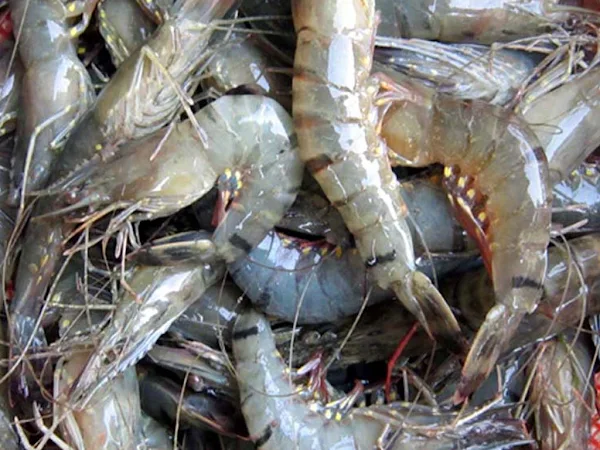
Shrimp farming is a very easy and profitable business. It is actually an aquaculture business that exists in either a marine or freshwater environment. Producing prawns or shrimp for human consumption is the main aim of this business. Marine shrimp farming is especially popular in may Asian countries and is a very old business. Shrimp was generally considered as a secondary crop in traditional fish farming systems, until a decade ago.
The shrimp fry trapped in salt beds, coastal paddy fields or brackish water fishponds are allowed to grow to marketable size and harvested as secondary crop. But in recent years, producers have started to produce shrimp commercially as principal crop. And many farmers have converted their rice fields, fish ponds and salt beds into shrimp farms.
Traditionally, the fish ponds are stock with fry either collected from the wild or concentrated through tidal water entering the ponds. But today, most of the shrimp producers are using modern systems for producing shrimp. And high production is possible in a small piece of land.
Freshwater shrimp farming is also becoming popular gradually. The global annual production of freshwater prawns in the year of 2010 was about 670k tons. And China is the largest producer.
Benefits of Shrimp Farming Business
Shrimp farming business has many benefits or advantages. That's why it's gaining popularity gradually. Here we are trying to describe the top advantages of this business.
- Commercial shrimp farming is a very old business. And many people are already doing this business for making profits.
- Starting this business is very easy. Even the beginners can start it with basic training.
- If you already have a pond, then you can use that existing pond for growing some shrimp.
- Most of the shrimp species generally grow fast. So, you will be able to make good profits from a very short period of time.
- You can stock shrimp with other fish species. But you should culture only shrimp for having good production.
- You can start both saltwater and freshwater shrimp production business depending on the available water type in your area.
- If you want to raise some poultry birds in your farm, then you can build the house above shrimp pond.
- Commercial shrimp farming is a good and profitable business. So, it can be a great source of employment for the rural people.
- Commercial production can also be a good employment source for the educated unemployed young people.
- Pond or tank construction costs are high. But the returns are also good. Shrimp grow faster, so you will get your invested money back soon.
- Today, there are many hatcheries available in most of the areas where shrimp production is popular. So, you will probably be able to easily purchase the fry.
- Demand and price of shrimp in both local and international market is very high.
- Shrimp is popular throughout the world. So, you don't have to worry about marketing your products. You will probably be able to sell your products in the local market.
- Shrimp is very tasty and nutritious. And you can enjoy fresh shrimp if you start producing in your own farm.
How to Start Shrimp Farming Business?
As we have mentioned above, shrimp farming is very easy and simple. Even the beginners can start this business. But you must have to complete a training if you want to produce shrimp in tanks using modern technologies. So, try to have practical knowledge before starting large scale commercial production. Here we are trying to describe more about the steps for starting and operating a successful shrimp farm.
Step 1: Learn Practically
Learning practically is very important for successful shrimp production business. Because practical knowledge helps to run your business perfectly and smoothly. So, try to learn more about this business practically from any existing farmers.
Step 2: Complete a Training
Completing a training about this business is also very important. You will be able to learn more practically about this business if you complete a training. You can obtain training from any of your nearest shrimp hatcheries or from any fisheries institute.
Step 3: Make a Business Plan
Making a good and effective business plan is also very important for running a shrimp farming business effectively. So, try to make a good and effective business plan and try to include everything in your business plan from starting to operating and marketing. You can ask for help from an expert if you are a beginner.
Step 4: Select a Good Location
First of all, you have to select a very good location for starting this business. It will be better if the selected location is calm and free from noise and pollution. Avoiding residential areas will be good. Ensure electricity, water and good transportation systems are available in your selected area. If your existing land has all these facilities, then you can start commercial production in your land.
Step 5: Determine The Type of Your Farm
You can start growing shrimp in many different ways. You can use earthen ponds, concrete tanks, plastic tanks or any other type of water reservoir for growing shrimp.
Step 6: Purchase Necessary Equipment/Supplies
Like many other business, commercial shrimp also require purchasing some equipment. Here we are trying to list the necessary equipment for this business:
- Tanks
- Aeration systems
- Water pumps
- Filters
- Nets
- Graders
- Feeding systems
- Testing equipment
- Monitoring systems
- Harvesting equipment
- Processing equipment
- Environmental control systems
- Disease management tools
- Record-keeping tools
- Safety equipment
Step 7: Pond Design and Construction
Consult with an existing shrimp farmer in your area for having good recommendations about pond design and construction. Generally simple pond with adequate water depth is ideal for shrimp farming. You can also contact with your nearest fisheries institute to learn more about specific pond design. Good pond management helps to keep the fish in good health condition, and also ensures better growth.
Step 8: Tank Setup
If you are willing to grow shrimp in tanks, then you have to build the tanks perfectly. You can make concrete or plastic tank or any other type. Please consult with an expert for more details.
Step 9: Soil Quality
The types and texture of the soil of your selected area should be analyzed before setting the land for shrimp production. Take soil samples from random location (preferably up to a depth of 0.5 meter). And perform both physical and chemical tests to determine the acidity, amount of organic load, level of fertility and physical composition. Presence of enough clay contest in the soil is important for shrimp production. Sandy clay or sandy loam soil is considered good for commercial production.
Step 10: Water Quality
Maintaining good water quality is also important for shrimp farming business. Water quality includes all the inherent physico-chemical and microbiological characteristics of water. Right pH level is a very important factor for shrimp production business. The pH range of the water should be between 7.5 and 8.5. Also determine fluctuations in dissolved oxygen level in the water. And this level should not lower than 4 ppm.
Step 11: Shrimp Species
Selecting the right shrimp species is very important. You can choose Giant River Prawn if you live in the areas with freshwater. And you can choose Giant Tiger Prawn if you have access to saltwater. Choose the breed depending on the availability in your area.

Step 12: Ensure Balanced Feeding
This is the most important part of modern commercial shrimp farming business. Because good and nutritious food ensure better growth and maximum production. Traditional shrimp producers depend on the natural source for feeding the shrimp. But you must have to provide them with adequate supplementary feeds if you want to have good yield. Today, there are many companies available which are producing commercial feeds for feeding the shrimp. Such food is produced specifically for feeding shrimp. You can use these ready-made commercial foods for getting better production.
Step 13: Ensure Good Growing Environment
Creating a good and comfortable environment is very important for keeping the shrimp healthy. Shrimp need clean water with enough oxygen. In commercial production, you can use equipment like pumps and filters to keep the water clean and fresh. It is very important to check the water quality on a regular basis. And ensure that the water quality is right for the shrimp.
Step 14: Breeding and Life Cycle of Shrimp
You should purchase the fry from hatcheries instead of breeding in your own farm. Breeding shrimp is very difficult and require a lots of money and technical knowledge.
Step 15: Caring & Other Management
Taking good care of the shrimp is very important for commercial production. Good caring helps the shrimp to stay healthy and grow better. So, try to take good care of them. Monitor the health of the shrimp on a regular basis. And ask for help from an expert if you face any problem.
Step 16: Learn About Diseases and Health Problems
Shrimp can get sick just like people or other animals. There are different diseases and health problems that shrimp can have. Some common diseases and health problems of shrimp are White Spot Syndrome, Early Mortality Syndrome, and Vibrio bacteria. These diseases and health problems can make shrimp weak or even die. So, you have to be very careful and keep an eye on your shrimp to make sure they stay healthy. You can use medicines or special treatments to help sick shrimp get better. Keeping the water clean and making sure the shrimp have enough food and space can also help prevent them from getting sick.
Step 17: Harvesting
Most of the shrimp species are fast growers. They will reach marketing weight very fast. You can harvest all the shrimp at once or collect the big one first and smaller one later. There are many local methods used for harvesting shrimp.
Step 18: Marketing
Marketing shrimp is very easy. It is one of the top advantages of shrimp farming business. You will probably be able to easily sell your products in the local market.

These are the common steps and ways for starting and operating a successful shrimp farming business. It's very easy and simple. Hope this guide has helped you! Good luck and may God bless you!
 Reviewed by Tanmoy Roy
on
September 13, 2012
Rating:
Reviewed by Tanmoy Roy
on
September 13, 2012
Rating:
Post a Comment