
The gluten free movement, once limited to those with celiac disease, is now a multibillion-dollar industry that influences agriculture and food production. However, questions arise as more people opt for health-conscious lifestyles, especially regarding the impact on the planet. Is gluten-free good for the environment?
The answer isn’t simple. It depends on what you replace wheat with and how farmers manage choices on the farm and in the supply chain.
1. Discover the Non-Wheat Boom and Its Hidden Costs
Rising demand for gluten-free products strains agriculture, as alternatives like rice, corn and almonds typically use more water and land than wheat.
Transport and processing increase the environmental footprint, as substitute flours are often imported or refined, requiring more energy and emissions. While gluten-free diets may benefit your digestion, they are not always better for the environment.

2. Choose Crops That Matter
Not all gluten-free crops are equally sustainable when compared to commercial crops. Wheat is relatively efficient, uses less water than rice or almonds, and produces a high yield.
Rice is a staple for those who avoid gluten. It accounts for about 12% of the world’s methane emissions, and with the growth in the health foods industry, this figure may increase by 40% by 2040. Almonds, often used in celiac-safe baking, require vast irrigation, especially in drought-prone California.
Soybean production offers a brighter note. They’re naturally free of glutenous proteins, are nitrogen-fixing and relatively easy to grow in rotation systems that support soil health. When responsibly farmed, soybeans can reduce fertilizer needs and contribute to ecological balance. They also require less water than almonds or rice, making them a strong candidate for sustainable, health-wise ingredients.
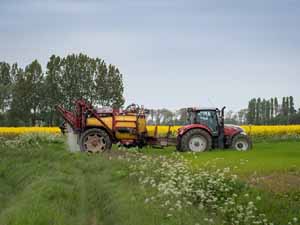
Corn remains a mixed bag. It’s versatile but heavily dependent on pesticides and fertilizers, which can degrade soil and pollute waterways. The eco-friendliness of any wheat-alternative crop depends on what’s grown and how and where it’s cultivated.
3. Celebrate Local Grain Revival
Some gluten-free grains are proving more sustainable when farmed locally. Crops like sorghum, millet, quinoa and buckwheat can thrive on marginal land with less water and fertilizer. Farmers experimenting with these grains can meet new market demand and restore soil health through rotation and biodiversity.
Sorghum is drought-tolerant and resilient to pests, reducing the need for chemical inputs, and its $31.77 billion market share is expected to trend upward by 2030. Often overlooked in Western agriculture, millet provides excellent yield stability even under water stress. These grains also open doors for local processing and value-added products that cut down on long-distance transportation.
4. Consider Eco-Packaging and Supply Chain Gaps
The sustainability story doesn’t end in the field but extends to packaging and logistics. Many gluten-free products come heavily wrapped in plastic to prevent cross-contamination, which increases waste. Smaller bakeries and local producers often use compostable or recyclable materials, but large-scale commercial packaging still has a long way to go.
Farmers and suppliers can help by supporting regional processing hubs that reduce freight miles. Encouraging bulk purchasing or reusable containers also helps close the sustainability gap. You can prioritize brands that disclose their packaging footprint and use post-consumer recycled materials when possible.
For instance, staples like soy sauce are available from local suppliers in no-wheat variants made with only fermented soybeans, cutting out glutenous barley and other grains.
5. Select Smart Gluten-Free Swaps at Home
Going digestion-friendly doesn’t mean giving up your traditional favorites. If you’re a farmer who struggles with digestive issues, choosing ancient grains that are low in gluten or even free of this grain protein is a smart start.
For instance, you can still enjoy your holiday stuffed pork loin with an easy gluten-free sauce swap. Change breadcrumbs for a tasty, digestive-sensitive dressing like tamari that fits specialty diets and health-conscious eating. It’s made without wheat and adds the same umami depth as soy sauce, leaving no one at the table asking what’s missing.

6. Farm for a Health-Conscious Future
Forward-thinking farmers are merging crops without the troublesome grain protein with regenerative agriculture. This includes cover cropping, no-till systems and compost-based fertilization to enrich soil naturally. Buckwheat, in particular, is gaining attention for its pollinator-friendly flowers and weed-suppressing nature. It’s also a healthy grain that promotes lower triglyceride or sugar storage in the body, which still plays to the health-conscious market without any harmful ecological effects.
Rotational planting of commercial grains with non-wheat crops is also useful for enriching organic soil matter and reducing nitrogen runoff. This is why wise farmers have rotated between wheat and soybeans for decades to protect soil integrity.
So, Is Gluten-Free Good for the Environment?
Whether going gluten-free is good for the environment depends on how you do it. An alternative grains diet built on local, low-input crops and minimal packaging can align beautifully with sustainable principles. However, mass-produced “health” goods that rely on water-heavy crops and imported ingredients tell a different story.
For farmers, the shift is an opportunity to diversify fields, experiment with ancient grains and strengthen regional food systems. For consumers, it’s a chance to rethink labels and ask where each ingredient comes from. Sustainability isn’t a trend. You grow it through mindful choices, from soil to supper.